There are two questions I hear from clients more than any others. What actually protects my paint from chips and scratches, and is ceramic coating just fancy wax? The short answers are PPF for impact protection and ceramic for slickness and chemical resistance. The longer answer gets interesting once you start layering products, because when you use the right materials in the right order, the whole system performs better than the sum of its parts.
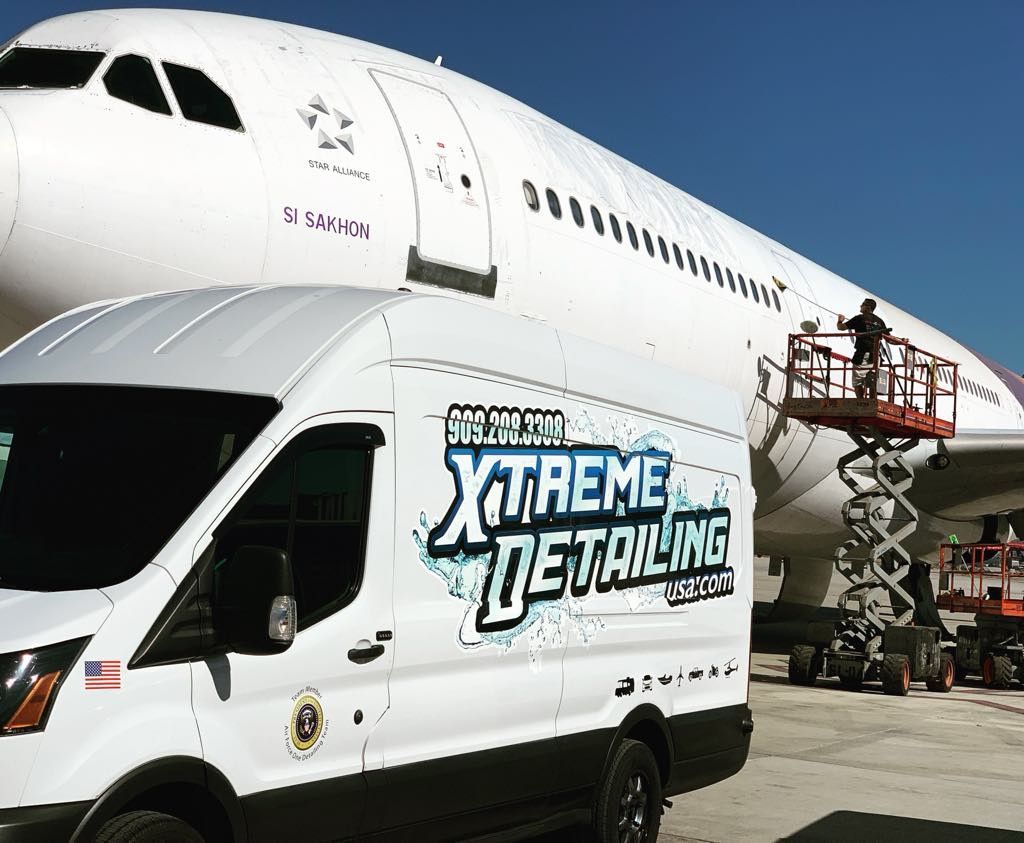
The right choice depends on how and where you drive, park, wash, and store your vehicle. Highway commuter with construction zones on your route, different answer than a weekend toy that sees hand washes and shows. A coastal boat or a gelcoat RV comes with its own set of risks. Even aircraft surfaces endure unique abrasives and turbulence at the leading edges. All of those scenarios benefit from understanding what each product actually does on a material level.
What Paint Protection Film really does
Paint Protection Film, usually TPU based, is a clear urethane film with a self healing top coat. Typical thickness runs 6 to 8 mils, which translates to roughly 150 to 200 microns. That is one to two orders of magnitude thicker than any coating. The thickness matters because mass absorbs and disperses energy from gravel, sand, and door scuffs. A good film will take the hit that would have cratered your clear coat.
Self healing top coats respond to heat. Park in the sun or hit the panel with warm water, and light swirls relax out of the surface. The effect is not magic or permanent. Think of it like memory foam for micro marring. Deep scratches still cut the film, but in most cases you replace only the damaged panel, not repaint the car.
Modern films resist yellowing far better than older PVC based products. Still, contamination happens. Bugs, tar, hard water, and acidic fallout can etch any surface given enough time. That is where maintenance and top coats come in. On durability, I see quality films last 5 to 10 years in mixed climates with normal upkeep, shorter in desert UV and longer in temperate garages.
You can wrap full body, or just the impact zones. The common map is front bumper, hood, fenders, mirrors, headlights, and rocker panels. On lifted trucks and RVs, we extend film around wheel arches and lower quarters where road rash collects. On small aircraft, the leading edges and spinners bear the brunt from rain erosion and particulate. Aviation has strict compliance rules, so any product choice there must follow manufacturer and regulator guidance.
What Ceramic Coating really does
Ceramic coatings are liquid polymers built around SiO2, SiCN, or similar chemistry that crosslink as they cure. The cured layer averages 0.5 to 2 microns thick. You cannot see it as a layer like film. You feel it. The slickness changes how water, dirt, and oils behave on the surface. Hydrophobics increase contact angle so water beads or sheets. Dirt carries away more easily during a rinse. Washes take less time and leave fewer micro marring marks, assuming you touch the paint less and use good technique.
Ceramic is not a shield against rock chips. It does help resist chemical stains, UV, and light wash marks. It adds measurable gloss on painted surfaces and clarity on PPF because it fills and smooths micro texture. On gelcoat boats and RVs, a coating slows oxidation, chalking, and yellowing. The protection lives or dies by prep, which is why paint correction and surface decontamination matter more than brand names on the bottle.
On a car kept outside, a well applied professional grade coating often holds strong for 2 to 5 years with periodic topper maintenance. On marine detailing projects, coatings last less due to salt, UV, and constant wetting. Half the battle is keeping the surface clean so salt and minerals do not dwell and bake in.
PPF vs. Ceramic Coating at a glance
A quick comparison helps set expectations. Five buckets cover most decisions.
- Impact protection: PPF wins by a wide margin. Ceramic cannot stop chips. Chemical resistance: Ceramic resists stains and etching better. PPF top coats help, but film can trap contamination if neglected. Maintenance and wash effort: Ceramic reduces wash time and makes drying safer. PPF benefits from a ceramic top layer. Visuals: PPF preserves paint, hides underneath. Ceramic boosts gloss and clarity, and improves the look of film too. Lifespan and replaceability: PPF lasts longer in impact zones and is replaceable panel by panel. Ceramic is easier to refresh or reapply, with less cost per panel.
Can you use both together
Yes, and that is often where the best results live. The order matters. Film first on the areas you want to protect from impact, then ceramic over the film and over the exposed paint. The film handles energy from road debris. The coating on top of the film handles the grime and UV, adds slickness, and makes the film easier to wash without tugging dirt across it. You also get a uniform look, because the ceramic brings the gloss level of PPF and painted panels closer together.
Done properly, the edges of the film are sealed by the coating. That helps reduce dirt accumulation along the cut lines. Is it necessary on a garage queen that sees only microfiber mitts, soft nozzles, and filtered water, maybe not. On a daily that hits touchless tunnels in winter, the combo pays for itself in reduced damage and quicker cleanups.
One caveat, not all ceramics bond equally well to all films. The chemistry of film top coats varies. An installer who tests compatibility avoids high spots, smearing, or premature failure. Reputable brands publish cross compatibility notes, and an experienced shop keeps its own matrix based on installs in your climate.
When both make sense across vehicles and environments
Long highway commutes with winter sand and summer construction are obvious candidates. I like full frontal PPF with rockers, then ceramic everywhere. Track cars benefit too, especially on flares and lower quarters. They need frequent rubber removal and bug cleanup, and a slick coating cuts the elbow grease.
Marine detailing presents different loads, mostly UV, salt spray, and organic staining. I have seen bow leading edges take regular dings from anchors and dock lines. A sacrificial film on those small strike zones, followed by a marine grade ceramic over the hull sides and superstructure, keeps oxidation at bay and makes rinsing after a day out faster. On gelcoat, you have to adjust prep because gelcoat is softer than automotive clear and holds oxidation deeper. Cutting too aggressively can reveal print through. Patience in the compounding step prevents irreversible marks that even film will telegraph.
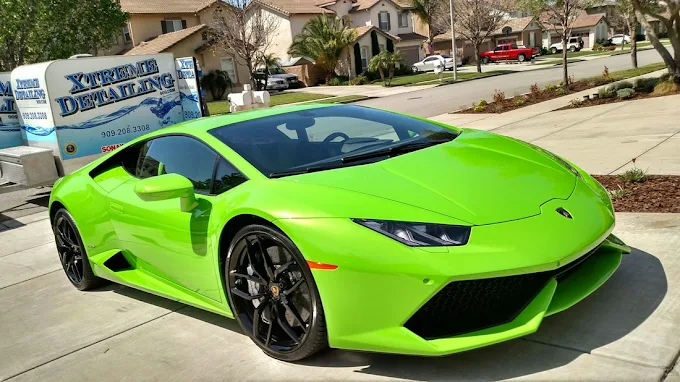
On RVs, especially Class A coaches, the lower front cap and behind the wheel wells get peppered. A thicker film there, paired with ceramic up high where bugs and soot streak, works well. The height of the vehicle means you will not be polishing that roof every month. Hydrophobic coating diverts water spotting and the gray streaking that irritates owners.
Airplane detailing requires careful judgment. General aviation pistons see rain erosion at the leading edges, spinners, and wheel pants. There are approved protective films for specific aircraft and locations, and any installer should coordinate with an A&P or IA to respect airworthiness and balance. Coatings can be used on painted surfaces for ease of cleaning, but should never interfere with pitot static ports, de ice boots, or control balance. When a Cherokee owner asked for film on the stabilizer leading edges, we reviewed service data and used a manufacturer approved strip with documented adhesive. The coating went on the rest of the painted surfaces for easier bug removal and less hangar rash during wipes.
Surface prep and paint correction drive the outcome
Both PPF and ceramic multiply whatever they sit on. If the paint has swirls, sanding marks, or orange peel, film will not hide it. It may even magnify a sanding pigtail under certain light. Coating absolutely locks in whatever is underneath, for years.
A smart prep sequence starts with a thorough degrease and wash, then iron and tar decontamination. A clay pass removes bonded grit. Under balanced lighting, the paint tells you what it needs. Sometimes a one step polish with a fine pad levels wash marring. Sometimes a hard clear with deep RIDS calls for a two step correction, cutting with microfiber and finishing with a soft foam. New cars are not immune. I have corrected brand new panels that picked up DA haze or buffer trails at the port.
For boats and RVs, oxidation requires different abrasives and wool pads, slower arm speed, and an eye on panel temps. Wipe down solvents must be safe for gelcoat and not swell plastic trim. Once the surface is right, a meticulous IPA or panel wipe clears residues, and the clock starts on dust control until film or coating is laid.
How Xtreme Detailing and Ceramic Coatings layers PPF and ceramic
At Xtreme Detailing and Ceramic Coatings, the combined system follows a sequence that avoids trapped contamination and ensures proper bonding. After correction, we stage film panels and do a dry fit on the vehicle to confirm coverage and stretch without forcing. Installers work clean, with sprayed slip solution evenly applied. Edges are wrapped wherever possible. We let edges relax, then apply heat and pressure to set them. If a kit calls for relief cuts or seams, we tuck and angle them where light and airflow make them less visible.
Only after the film has had time to set do we begin coating. That might be the next day if humidity was high. We test a small area of the film with the chosen ceramic to confirm it flashes and levels normally. Then we coat film and bare paint in a single session, panel by panel, so the crosslink window is consistent. Wiper technique changes slightly on film because the surface is softer. The final wipe focuses on edges and badges where residue can hide.
On a recent mid size SUV, we installed full front PPF plus rockers, then coated the entire body including the film. The owner parks outside near sprinklers. A month later after a hot weekend, he reported that the hard water spots on the hood wiped away with a mild detail spray. On an uncoated film, that would have required a vinegar soak or a dedicated water spot remover, both of which raise the risk of edge lift if used carelessly. The stacked system saved time and avoided harsh chemicals.
Where PPF and ceramic do not overlap
Some paints and finishes call for special film. Matte and satin look fantastic, and the wrong product can ruin them. If you want to keep a matte look, use a satin finish PPF on those panels. Do not apply a gloss coating over satin film unless the product is designed to preserve flatness. There are specialty ceramics that maintain the matte effect while giving hydrophobics. Test on a spare piece of film or an inconspicuous area.
If your car wears a full color change vinyl wrap, the film is the color layer. Adding another film on top is heavy and rarely worth the risk. A light ceramic that is vinyl safe can help keep the wrap clean, especially on white or light colors that stain easily. Also remember that freshly repainted panels need time to outgas. Most paint manufacturers recommend 30 to 60 days before film or coating. Rushing can trap solvents and lead to failure.
Time, labor, and what owners often overlook
A full frontal PPF install can take 8 to 16 labor hours depending on panel complexity and whether we remove badges or trim. Full body wraps can run 40 to 70 hours or more for complex exotics. A single layer ceramic on a corrected car is usually a one day job, two if we add a base plus topper system. Marine and RV projects scale with size and access. Expect scaffolding and significant prep time on oxidized gelcoat before any protection goes on.
Owners often underestimate the value of a controlled environment. Good installs happen in clean bays with filtered air and regulated humidity. That is not a luxury, it is the difference between a clean edge and one that collects dust under the film or cures with coating high spots. Small details, like taping suede steering wheels and covering cowl vents during pressure washing, save headaches later.
Common mistakes we see at Xtreme Detailing and Ceramic Coatings
At Xtreme Detailing and Ceramic Coatings, the most frequent failure point on DIY stacks is order and timing. I have seen ceramic applied first, then film on top within a week. The film will not adhere correctly. Adhesive wants direct contact with the clear coat. Another one, using harsh APCs or citrus degreasers to remove bugs right at a PPF edge. The cleaner wicks underneath, weakens the adhesive, and the edge lifts in a month.
We also see well intended washes with heavy towels that drag grit across the film. Film is tough, but its Ceramic Coating Xtreme Detailing and Ceramic Coatings top coat can micro mar if grit sits on it. With a ceramic top layer, rinsing first and using softer mitts makes the film last and look better. And, as much as marketing promises otherwise, neither film nor ceramic absolves you from drying. Letting hard water bake on any surface etches over time. Good technique still matters.
Maintenance that keeps the stack performing
If you combine film and ceramic, maintenance gets easier, not optional. A simple set of habits covers most of the risk.
- Rinse early and often after rain, bugs, or salt exposure. Do not let contaminants dwell. Use pH balanced shampoo and soft wash media. Two buckets or a high quality foam pre wash help. Dry with clean, plush towels or a blower. Avoid dragging towels against dry dust. Decontaminate lightly twice a year with a ceramic safe cleaner. Avoid aggressive clays on film. Check film edges during washes. If you notice lift or debris, address it before it migrates.
Most coated films benefit from a compatible topper every few months, especially before and after winter. Toppers refresh slickness and water behavior, which directly reduces the force needed during washes.

Why installers layer the way they do
A lot of this comes down to testing in real conditions. Coatings vary in solvent content, flash times, and tolerance for humidity. Films vary in top coat chemistry, orange peel texture, and adhesive strength. Shops that install both develop a playbook. They know which combos haze at the edges or resist leveling. That experience shows in the small things too, like how long to wait before washing a freshly installed film that has been coated. In my practice, 48 hours minimum before the first rinse is a safe window, and a week before a full contact wash.
Removal and refresh cycles
Film removal should be controlled and warm. Pull at a shallow angle while heating the panel, and chase adhesive with a safe remover. On repaints, go slowly to avoid lifting the clear. Good film comes off in one piece if it is not baked into oblivion. Coating removal is usually a matter of polishing. If the vehicle lives in heavy contamination, a light machine polish once a year keeps it fresh without thinning clear excessively.
Replacing a battered front end film while leaving the coating on the rest of the car intact is normal. After the new film is on, we re coat that area and blend to the fenders so gloss and slickness match.
A case vignette from Xtreme Detailing and Ceramic Coatings
A client at Xtreme Detailing and Ceramic Coatings brought in a dark blue sedan that spent its life in a downtown garage near a concrete plant. The hood and roof felt like 400 grit sandpaper from cement dust. We performed a careful decon and a two step correction to level the etching without thinning the clear too much. For protection, we chose full front PPF with extra coverage on the A pillars and a strip at the roof edge, then a coating over film and paint.
Two months later he returned after a storm. The car had white streaks across the hood from alkaline runoff. On unprotected paint, that would have meant more compounding. In this case, a mild, coating safe water spot remover and a gentle polish on the worst area cleared the marks. The film edges stayed sealed. He told us his weekly wash time dropped from 70 minutes to 35, not because the car stayed magically clean, but because rinsing and drying were faster and safer on the slick surface.
Where window tinting fits into the protection picture
People often ask about window tinting in the same breath as paint protection. The goals differ, but the logic is similar. Quality tint reduces interior heat load and UV exposure. That slows leather shrinkage, dash cracking, and adhesive failure on trim. If you invest in exterior protection, keeping the cabin cooler and gentler on materials helps preserve the whole environment you interact with. On boats and RVs, window films designed for larger glass panels cut glare and heat, making long drives or cruises less fatiguing while protecting fabrics. Just like with film and coatings, material quality and installer technique dictate the outcome.
Final thoughts for different owners
There is no single best product, only the right system for your use. Daily drivers in harsh corridors deserve PPF where rocks fly and a coating everywhere to make care easier. Show cars might opt for a full body film to lock in a perfected finish and a ceramic on top to maximize gloss and rejection of fingerprints. Boats and RVs benefit from selective film on strike zones and a coating where UV and water do their slow work. Aircraft require compliance and restraint, with protection targeted at approved areas.
If you decide to stack PPF and ceramic, choose products that play well together, install them in the right order, and keep your maintenance light but consistent. The shared aim is simple. Preserve the surface you love, reduce the time and risk in caring for it, and give yourself a margin when the world throws sand, salt, sun, and water at it. Done thoughtfully, the combination pays dividends for years.
Xtreme Detailing and Ceramic Coatings
15686 Athena Dr, Fontana, CA 92336
(909) 208-3308
FAQs About Car Detailing Services
How much should I spend on car detailing?
The cost of car detailing can range from $100 to $300 for standard services, while premium packages like paint correction or ceramic coating can cost several hundred to over a thousand dollars. The right budget depends on your vehicle’s condition and the level of protection you want.
Is detailing worth the money?
Yes, professional detailing is a worthwhile investment. It helps protect your vehicle’s paint, maintains the interior, and preserves resale value. In areas like Fontana, CA, where sun exposure and dust are common, regular detailing can significantly extend your car’s lifespan.
How often should you fully detail your car?
A full detailing service is typically recommended every 4 to 6 months. However, this can vary depending on driving habits, weather conditions, and whether your vehicle has protective treatments like ceramic coating.
What time of year is best for car detailing?
Spring and fall are ideal times for car detailing. Spring helps remove winter buildup, while fall prepares your vehicle for harsher weather conditions. In Southern California, detailing year-round is beneficial due to constant sun exposure and environmental contaminants.
How long does car detailing last?
The results of detailing can last anywhere from a few weeks to several months, depending on the services performed and how well the vehicle is maintained. Protective options like ceramic coating can extend these results significantly.
Do I need ceramic coating after detailing?
While not required, ceramic coating is highly recommended after detailing. It adds a durable layer of protection, enhances shine, and makes future cleaning much easier, especially in high-heat environments like Fontana.